
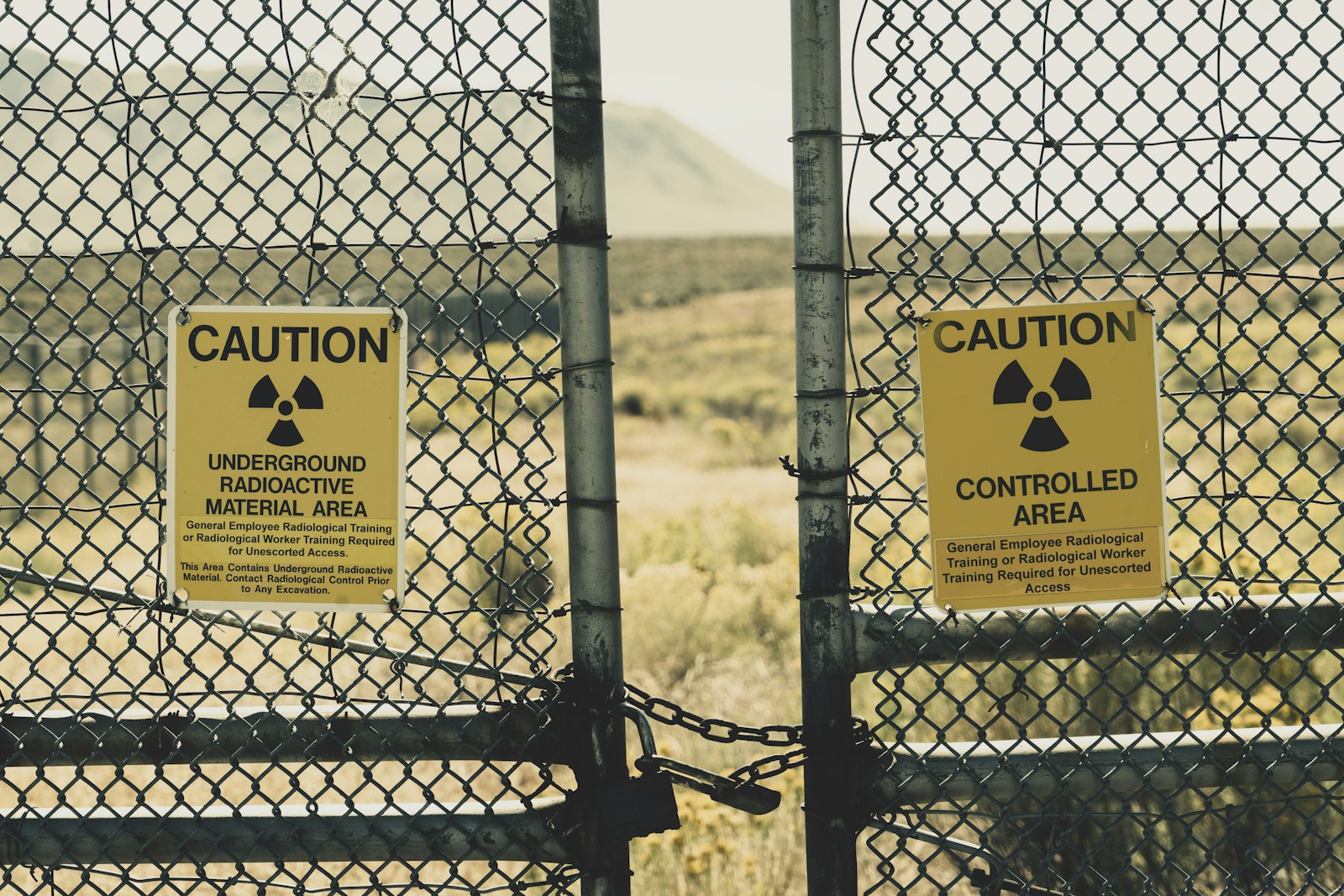
As Canadians, we take immense pride in the safety and security of our homes. We check for structural integrity, guard against water damage, and secure our property. But what about a threat you can’t see, smell, or taste?
Radon gas is often called "the silent killer," and the truth about its danger is startling. It is a significant national public health issue that affects homes from coast to coast.
If you live in any dwelling that is in contact with the ground—whether you're a homeowner, a condo owner on the first floor, or a tenant in a basement suite—this is a message you need to hear.
The Invisible Enemy and Its Alarming Impact
Radon is a naturally occurring radioactive gas produced by the decay of uranium found in all rock and soil. Because it is colorless, odorless, and tasteless, it can easily enter your home through cracks in the foundation, drains, and pipe openings, becoming trapped and concentrated indoors.
The health statistics from Canadian authorities are sobering:
Radon is the second-leading cause of lung cancer in Canada, after smoking.
It is estimated to be responsible for approximately 3,200 lung cancer fatalities annually across the country.
For those who have never smoked, radon exposure is the primary cause of their lung cancer risk.
Why Every Canadian Home Needs Testing
While average radon levels are higher in some regions, such as the Prairies or the Interior of B.C., it is critical to understand that no area is immune.
The most important fact to remember is that radon levels can vary drastically, even between neighbouring homes. The specific geology under your foundation, the type of construction, and the home's ventilation all contribute to how much radon is trapped inside.
The only way to know the level in your dwelling is to test it.
Easy Steps to Protect Your Family
The good news is that this problem is preventable, and the solution is straightforward and effective.
Test Your Home: This is the most vital step. You can purchase a certified long-term radon test kit for a low cost (typically $30 to $60). Health Canada recommends testing for a minimum of three months, ideally during the heating season (fall/winter), to capture the most accurate annual average.
Understand the Guideline: The national safety benchmark is 200 Becquerels per cubic metre (200 Bq/m³). If your reading is above this level, mitigation is necessary.
Mitigate if Needed: If your home tests high, professional mitigation is required. While the cost typically ranges from $1,500 to $3,000 or more, it is a one-time investment in health and safety. Professional techniques like Active Soil Depressurization can reduce radon levels by 90% or more, providing long-term peace of mind.
We urge all Canadians, no matter where they live, to take action today. Don't rely on regional assumptions. By testing your home, you take control of an invisible risk, ensuring the air your family breathes is safe.

 The data relating to real estate on this website comes in part from the MLS® Reciprocity program of either the Greater Vancouver REALTORS® (GVR), the Fraser Valley Real Estate Board (FVREB) or the Chilliwack and District Real Estate Board (CADREB). Real estate listings held by participating real estate firms are marked with the MLS® logo and detailed information about the listing includes the name of the listing agent. This representation is based in whole or part on data generated by either the GVR, the FVREB or the CADREB which assumes no responsibility for its accuracy. The materials contained on this page may not be reproduced without the express written consent of either the GVR, the FVREB or the CADREB.